



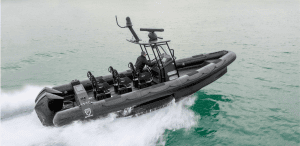
THE FUTURE OF FLOOD RESCUE IS AMPHIBIOUS

Climate-related disasters are increasing worldwide, creating new operational challenges for rescue teams and civil protection agencies. Flooded urban environments, debris-filled streets, and shallow water zones often make conventional rescue boats difficult to deploy and operate efficiently.

Most traditional rescue vessels depend on ramps, trailers, or launch infrastructure, resources that are frequently inaccessible during emergencies.

This is where Iguana Pro changes flood response operations.

IGUANA PRO FOR RESCUE FORCES

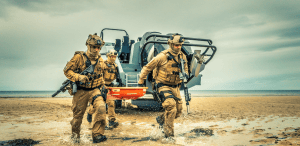
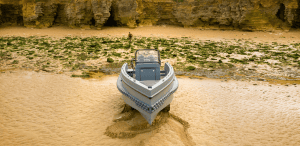
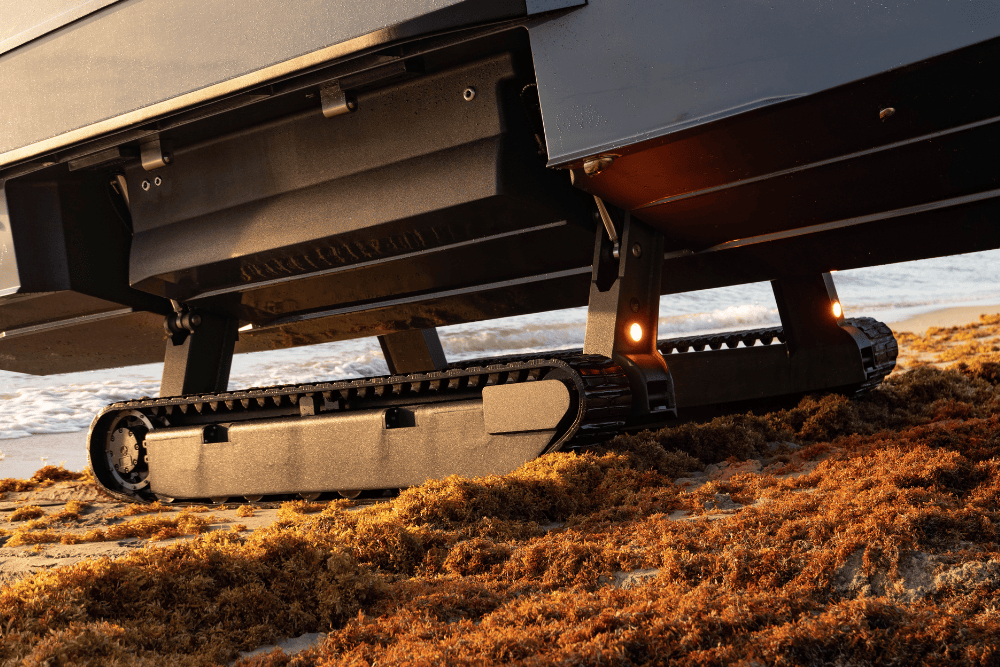
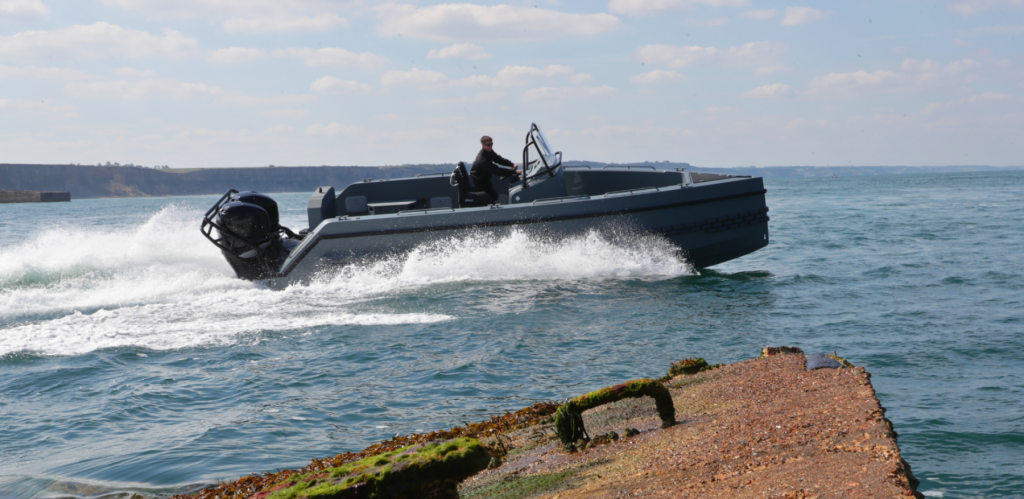
Designed as an amphibious rescue platform, Iguana Pro allows teams to deploy directly from roads into flooded areas without requiring ports or launch sites. Its patented tracked mobility system enables seamless transition between land and water, even in complex urban environments. For rescue operators, this means:

  • Faster response times
  • Direct access to isolated victims
  • Improved mobility in shallow or obstructed areas
  • Safer casualty extraction operations
  • Reduced logistical dependency during emergencies

As floods become more frequent and operational environments more complex, amphibious mobility is becoming a critical capability for modern disaster response.

Because during a rescue mission, access is everything.

Related articles

COASTAL SURVEILLANCE GAPS: THE GROWING CHALLENGE FOR GOVERNMENTS

Coastal security challenges are evolving rapidly. Across the world, governments and maritime agencies are facing increasing pressure to monitor remote shorelines, shallow coastal zones and infrastructure-denied areas that conventional patrol assets struggle to access. THE APPEARANCE OF A GROWING THREAT Illegal trafficking, unauthorized infiltration, smuggling

THE FUTURE OF FLOOD RESCUE IS AMPHIBIOUS

Climate-related disasters are increasing worldwide, creating new operational challenges for rescue teams and civil protection agencies. Flooded urban environments, debris-filled streets, and shallow water zones often make conventional rescue boats difficult to deploy and operate efficiently. Most traditional rescue vessels depend on ramps, trailers, or

WHY CONVENTIONAL BOATS FAIL IN THE TRANSITION ZONE BETWEEN LAND AND SEA

From coastal security missions and border surveillance to disaster response and rescue operations, today’s operators are required to work in environments where conventional marine platforms were never designed to perform efficiently. Beaches, flooded urban areas, marshlands, estuaries, rocky coastlines, and infrastructure-denied zones have become critical