



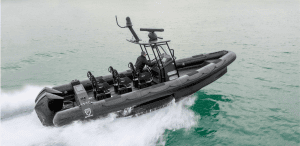
Coastal rescue operations are among the most demanding missions faced by emergency services. Rescuers must often operate in surf zones, shallow waters, rocky coastlines, and remote beaches where conditions change rapidly and access is limited.
Whether responding to stranded swimmers, boating accidents, flooding or natural disasters, rescue teams need to reach casualties quickly while ensuring the safety of both victims and responders. Yet many of these environments remain difficult to access using conventional rescue boats.
AMPHIBIOUS MOBILITY CHANGES THE RESCUE MISSION
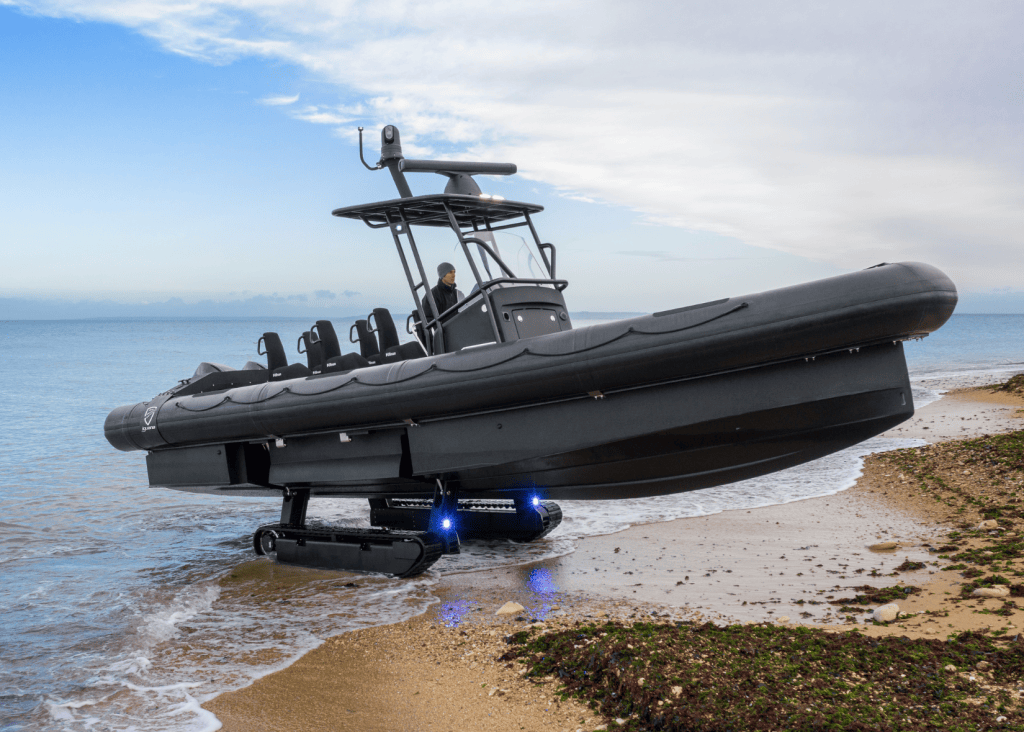
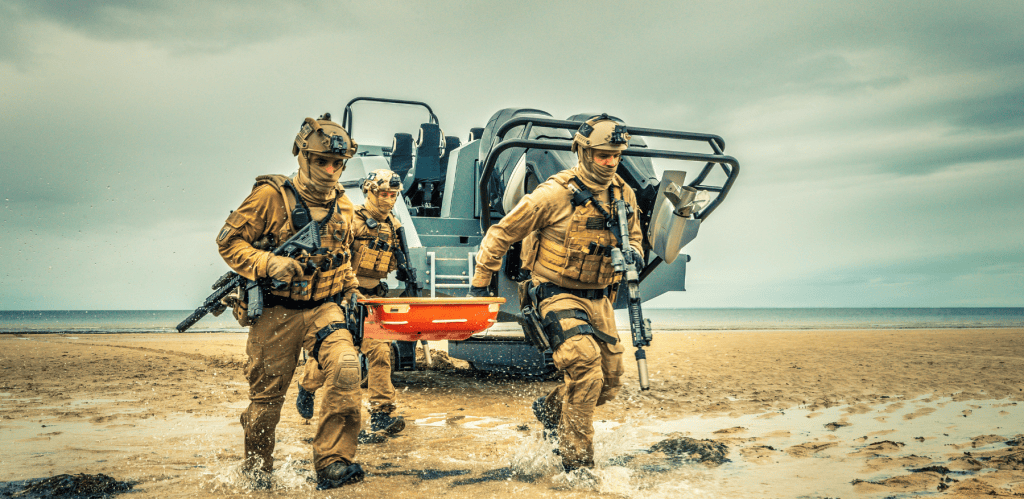
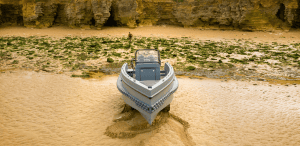
Iguana Pro was developed to overcome these operational limitations. Its patented amphibious mobility system allows the vessel to transition seamlessly between land and sea, enabling direct deployment from roads or beaches and safe landings on shore without requiring dedicated infrastructure. Instead of remaining offshore, Iguana Pro can drive directly onto the beach, allowing rescue teams to board casualties on stable ground before returning safely to the water. This ability to perform dry boarding significantly improves both operational efficiency and crew safety.
FASTER RESPONSE, SAFER EVACUATION
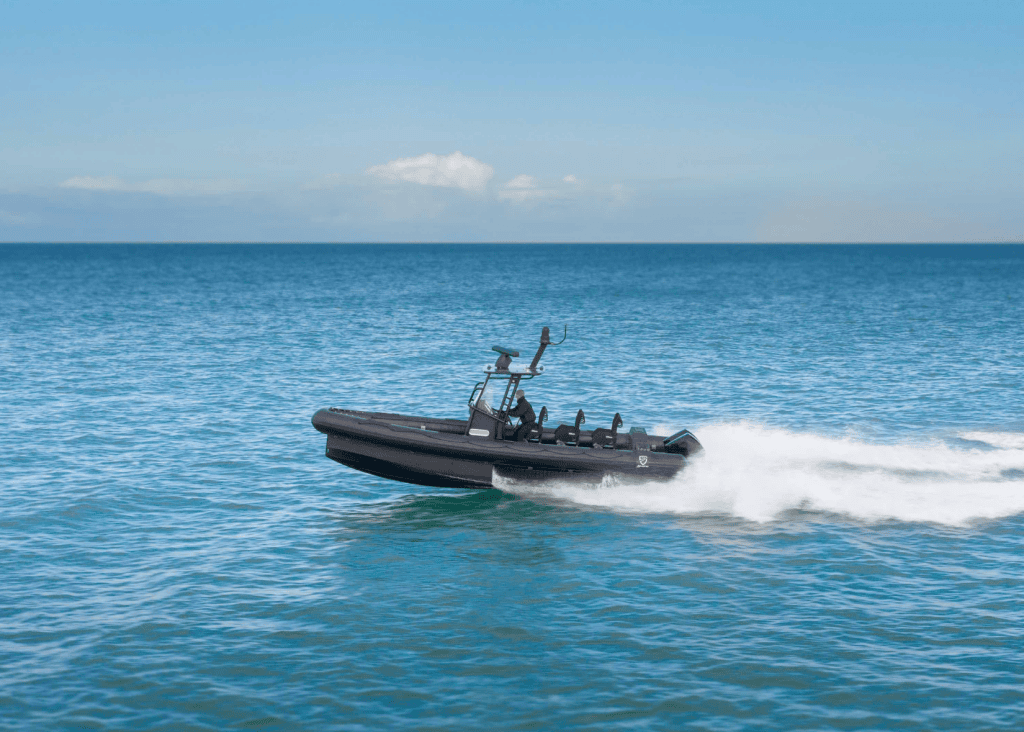
As an amphibious emergency boat, Iguana Pro combines high-speed navigation with all-terrain mobility, making it well suited for a wide range of coastal rescue missions.
Its capabilities include:
- Safe beach landings in surf zones
- Direct casualty boarding on shore
- Rapid evacuation from remote beaches
- Access to shallow or difficult coastal environments
- Reduced reliance on ports and launch ramps
By shortening deployment times and simplifying rescue procedures, amphibious mobility helps emergency teams reach victims faster while minimizing operational risks.
As coastal populations grow and extreme weather events become more frequent, rescue agencies need equipment capable of operating wherever emergencies occur.
Amphibious platforms are redefining coastal rescue by combining speed, flexibility and unrestricted shoreline access in a single vessel.
For modern search and rescue teams, the ability to move seamlessly between land and sea is no longer simply an advantage? it is becoming an essential operational capability.