



WHY RESCUE TEAMS NEED INFRASTRUCTURE-FREE DEPLOYMENT

Natural disasters rarely leave critical infrastructure untouched. Floods, hurricanes, tsunamis and severe storms can damage or destroy ports, marinas, boat ramps and access roads within hours. When docks are flooded, ramps are blocked or marinas become inaccessible, valuable time is lost before a rescue mission can even begin.


In emergency response, those delays can have life-threatening consequences.

A NEW APPROACH TO RESCUE DEPLOYMENT

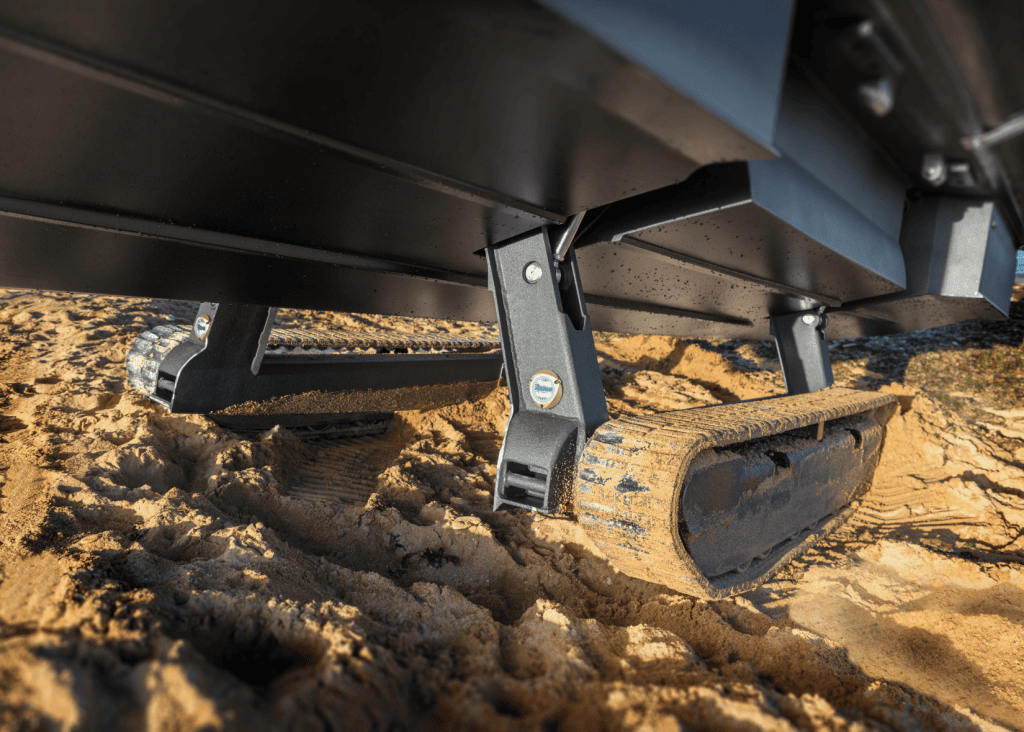
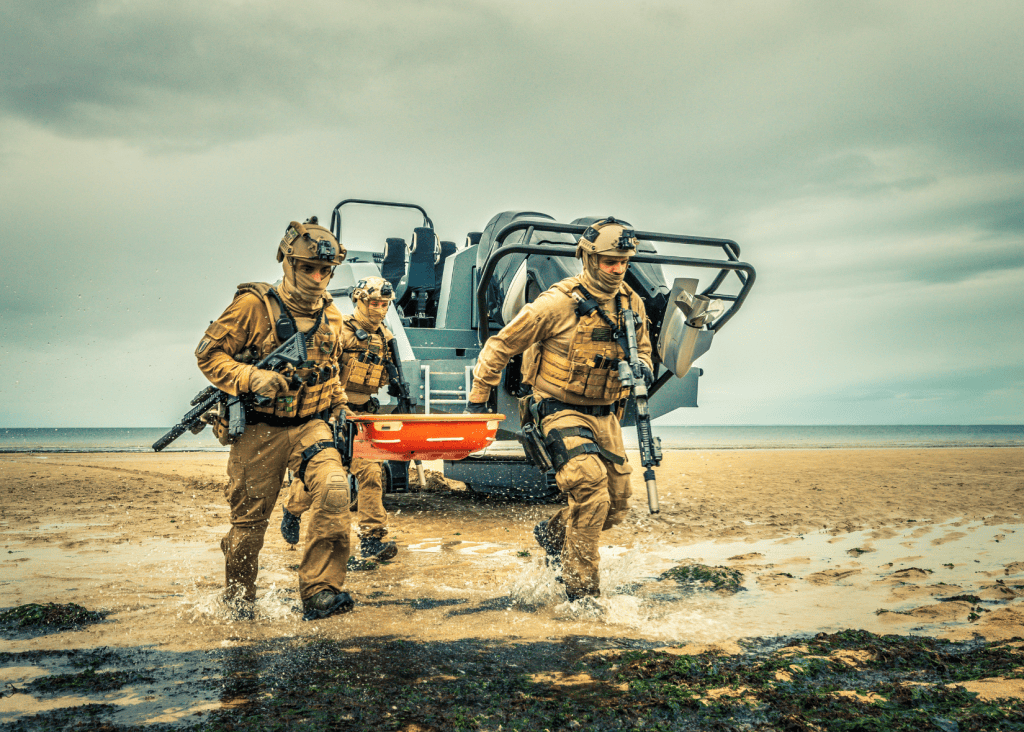
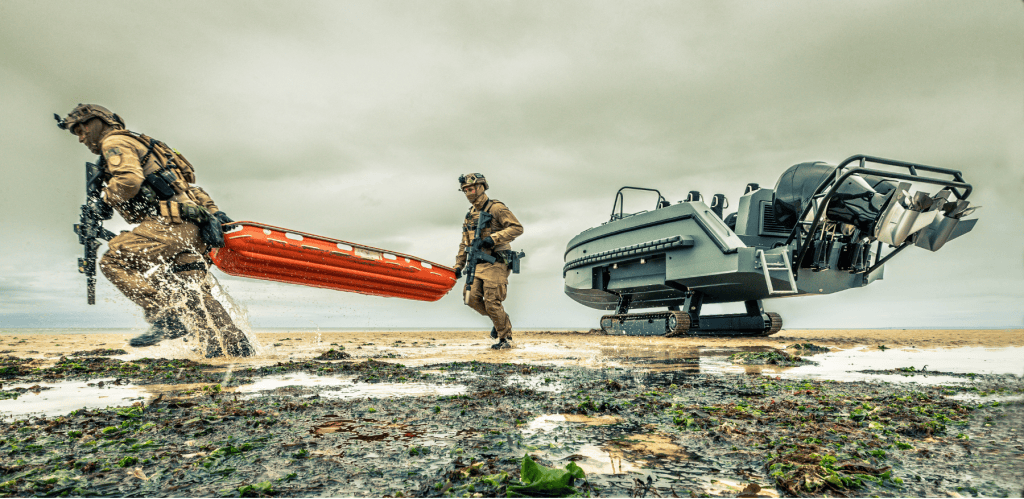
Iguana Pro was developed to eliminate the operational dependency. Its patented amphibious mobility system allows rescue teams to deploy directly from roads, beaches, temporary staging areas or unprepared shorelines without requiring ports or launch ramps. Within seconds, the vessel transitions seamlessly from land to water, allowing responders to reach flooded or isolated areas much faster.

Whether operating in urban floods, coastal disasters or remote environments, Iguana Pro gives teams the ability to launch wherever the mission requires.

FASTER ACCESS, BETTER RESPONSE

As an amphibious vessel, Iguana Pro combines high-speed navigation with all-terrain mobility, allowing operators to move across roads, beaches, mud, shallow water and flooded terrain without changing vehicles.


This capability provides several operational advantages:

  • Faster deployment from any location
  • Reduced dependence on damaged infrastructure
  • Improved access to isolated communities
  • Greater operational flexibility during disasters
  • More efficient casualty evacuation and rescue missions

BUILDING MORE RESILIENT EMERGENCY RESPONSE

The future of disaster response depends on mobility, adaptability and speed.

As emergency services face increasingly complex rescue environments, infrastructure-free deployment is becoming an essential operational capability. By removing the need for ports, ramps and marinas, Iguana Pro enables rescue teams to focus on what matters most: reaching people quickly, safely and efficiently, wherever the emergency occurs.

Related articles

Beyond Amphibious Mobility: A Platform Ready for the Future

Modern defense operations are evolving rapidly, driven by autonomous systems, unmanned technologies and networked battlefield capabilities. Military platforms must no longer perform a single function—they must be adaptable, modular and ready to integrate with emerging technologies. This is the philosophy behind Iguana Pro. Designed as
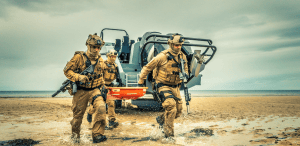
WHY AMPHIBIOUS BOATS ARE BECOMING ESSENTIAL FOR COASTAL RESCUE

Coastal rescue operations are among the most demanding missions faced by emergency services. Rescuers must often operate in surf zones, shallow waters, rocky coastlines, and remote beaches where conditions change rapidly and access is limited. Whether responding to stranded swimmers, boating accidents, flooding or natural
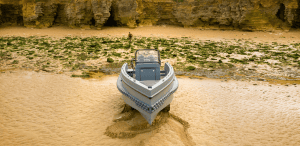
THE RISE OF LITTORAL OPERATIONS

Military operations are increasingly shifting toward littoral environments, the dynamic zone where land meets sea. From coastal surveillance and border protection to special operations and humanitarian assistance, today’s missions rarely take place exclusively on land or offshore.   Instead, armed forces are operating on beaches,