



18 YEARS OF AMPHIBIOUS INNOVATION: THE EVOLUTION OF IGUANA PRO

For 18 years, we have pursued one clear ambition: removing the limits of traditional boating and redefining maritime mobility. From the very beginning, Iguana was created to solve a problem that had long been accepted as inevitable in the marine world, the operational constraints of launching, landing, boarding and accessing the shoreline with conventional boats. We believed navigation should not stop at the water’s edge.

FROM LUXURY YACHTING TO SECURITY

Originally developed for the luxury yachting market, Iguana introduced a revolutionary amphibious mobility system that combined high-performance navigation with seamless land mobility. For the first time, boat operators could transition directly from land to sea without relying on ports, ramps, trailers or dedicated infrastructure.

This innovation transformed the boating experience. It offered unprecedented freedom, flexibility, and autonomy, allowing users to reach remote coastlines and operate independently from traditional maritime constraints.

But as our technology evolved, so did the world around us.

THE LIMITS OF CONVENTIONAL BOATS

Across the globe, new operational realities began to emerge. Coastal trafficking intensified. Maritime border threats increased. Surveillance gaps became more critical. Natural disasters highlighted the limitations of emergency response capabilities in flooded or inaccessible areas. Military and security forces faced growing challenges operating in littoral environments where land and sea intersect. These missions consistently exposed the same weakness: conventional marine platforms are not designed to operate efficiently in the transition zone between water and land.

For rescue teams, coast guards, military units and government agencies, this zone is often where operations become the most complex, and where rapid access can make the difference between mission success and failure.


This operational reality led to the creation of Iguana Pro.

AMPHIBIOUS MOBILITY FOR PROFESSIONALS

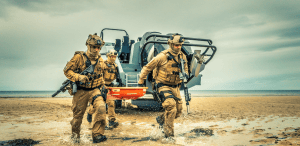
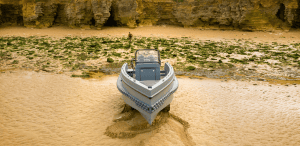
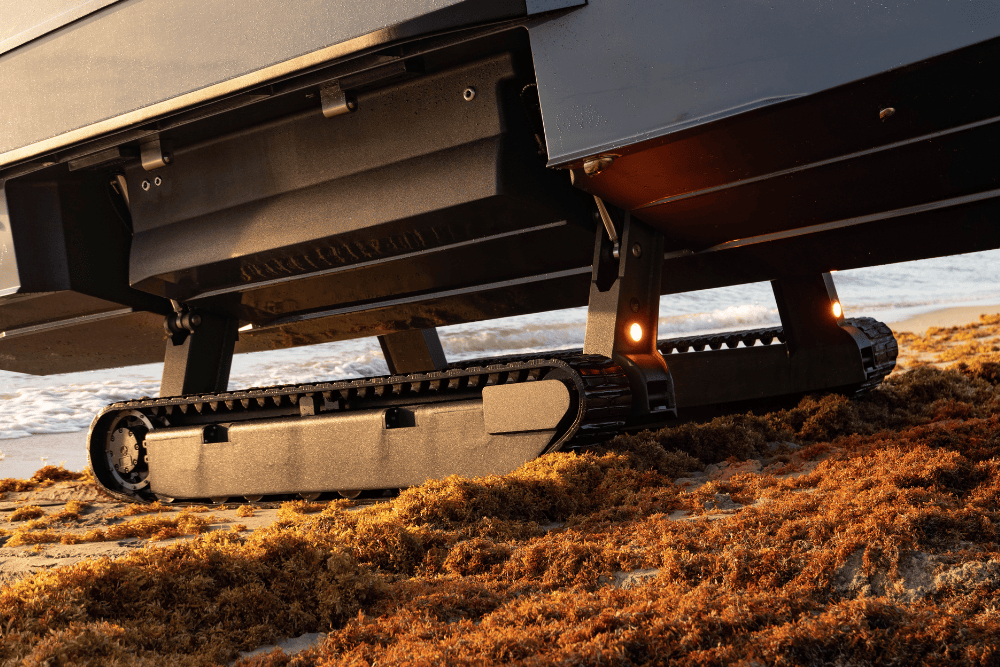
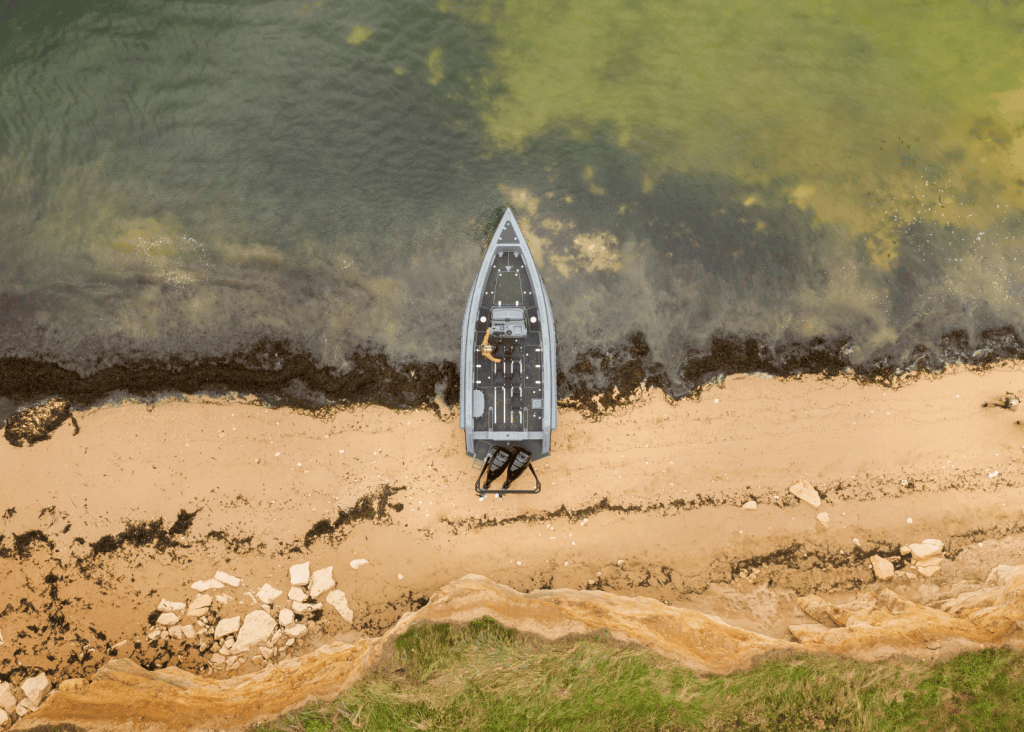
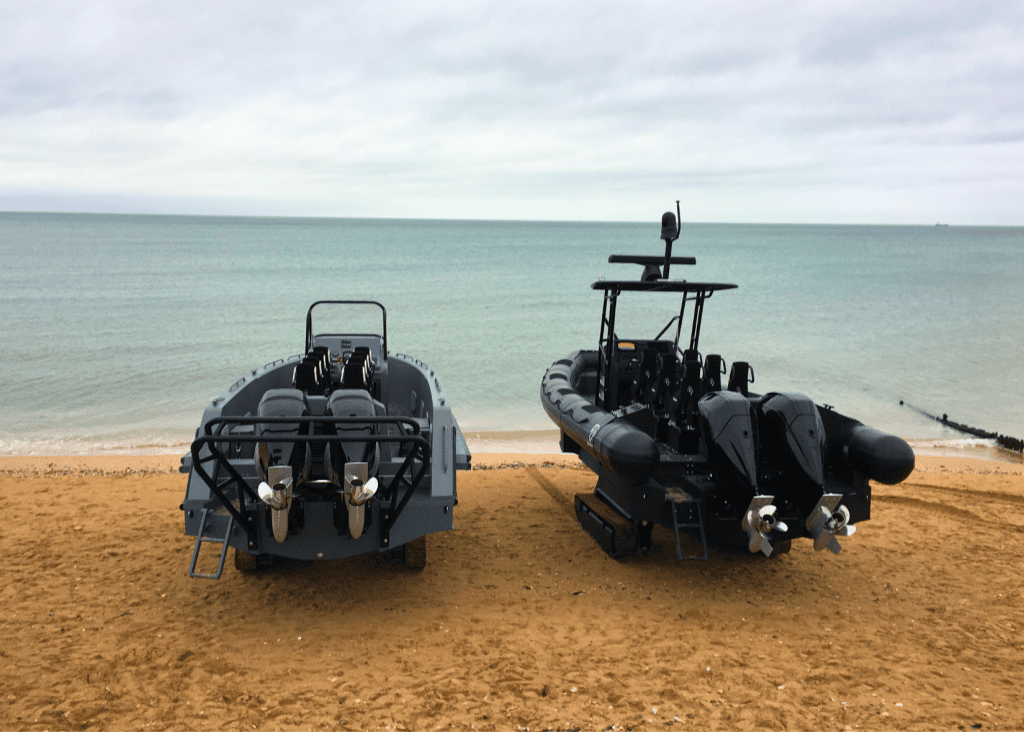
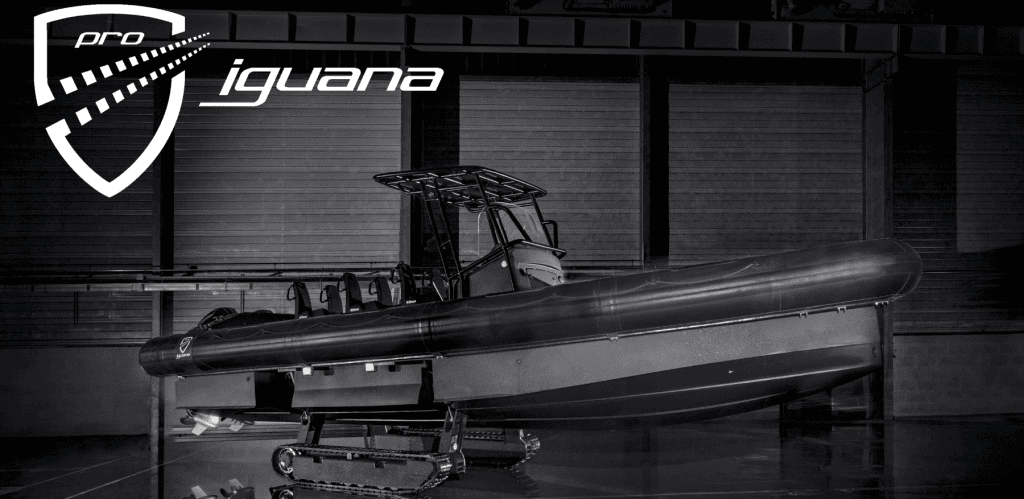
Built specifically for professional and governmental missions, Iguana Pro brings amphibious mobility to defense, rescue, security and coastal operations. Leveraging our patented tracked amphibious system, Iguana Pro enables rapid deployment and direct access across environments traditionally considered difficult or impossible for conventional boats.

Beaches. Mudflats. Marshlands. Flooded urban zones. Rocky coastlines. Infrastructure-denied areas.

Where traditional marine assets stop, Iguana Pro continues.

Over the past 18 years, our mission has remained unchanged: giving operators greater freedom of movement and reducing operational constraints in complex environments. What began as a breakthrough innovation for luxury yachting has evolved into a proven operational capability supporting professionals working on the front lines of security, defense and emergency response.

Today, Iguana Pro supports agencies and operators who require speed, autonomy and versatility in the most demanding coastal and amphibious environments. Our technology is designed not only to improve mobility, but to expand operational reach where access is limited and time is critical.

As maritime and coastal challenges continue to evolve, so does our commitment to innovation.

Eighteen years later, we are still driven by the same vision that started it all: navigating without limits.

Related articles

COASTAL SURVEILLANCE GAPS: THE GROWING CHALLENGE FOR GOVERNMENTS

Coastal security challenges are evolving rapidly. Across the world, governments and maritime agencies are facing increasing pressure to monitor remote shorelines, shallow coastal zones and infrastructure-denied areas that conventional patrol assets struggle to access. THE APPEARANCE OF A GROWING THREAT Illegal trafficking, unauthorized infiltration, smuggling

THE FUTURE OF FLOOD RESCUE IS AMPHIBIOUS

Climate-related disasters are increasing worldwide, creating new operational challenges for rescue teams and civil protection agencies. Flooded urban environments, debris-filled streets, and shallow water zones often make conventional rescue boats difficult to deploy and operate efficiently. Most traditional rescue vessels depend on ramps, trailers, or

WHY CONVENTIONAL BOATS FAIL IN THE TRANSITION ZONE BETWEEN LAND AND SEA

From coastal security missions and border surveillance to disaster response and rescue operations, today’s operators are required to work in environments where conventional marine platforms were never designed to perform efficiently. Beaches, flooded urban areas, marshlands, estuaries, rocky coastlines, and infrastructure-denied zones have become critical