

IGUANA PRO at FUTURE AMPHIBIOUS FORCES forum 2021 !

Iguana Pro is a partner of Future Amphibious Forces 2021. The conferences will be held on 18th and 19th May, 2021. FAF is a two-day online conference that brings together international leaders around the subject of amphibious. 


On May 18th at 11:40 am (UK), Antoine Brugidou will present the Iguana Pro solution to numerous armies around the world: the Iguana concept, the construction and the security use cases.


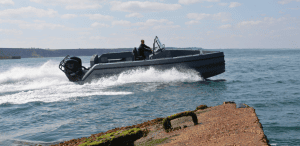
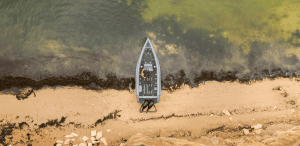
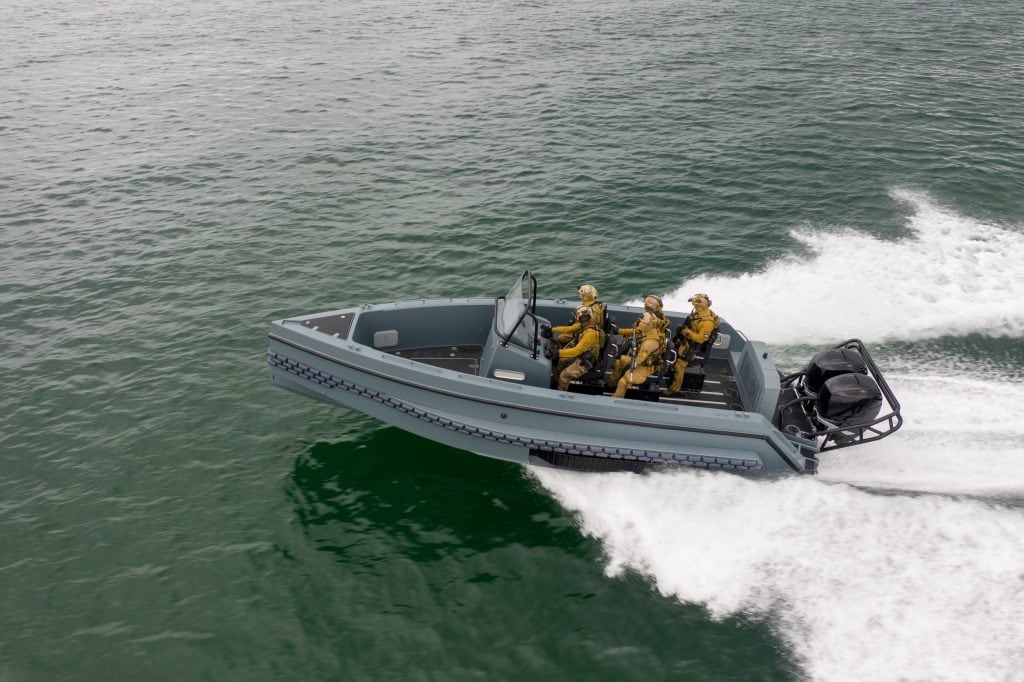
Indeed, the IG PRO INTERCEPTOR is an adequate solution for security. We can divide the use cases into 3 parts.

Action : the Iguana Pro secures areas, infiltrates and performs extraction missions.

Protection : the Iguana Pro, mobile, agile and discreet can monitor you and finally intercept on land or at sea at high speed. 

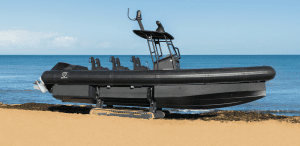
Support : with a carrying capacity of 1200kg and its agility on land, the Iguana can carry out logistical missions even in shallow waters. 


These conferences, reserved for military and government organizations, can present real opportunities for Iguana Pro. 


Related articles

COASTAL SURVEILLANCE GAPS: THE GROWING CHALLENGE FOR GOVERNMENTS

Coastal security challenges are evolving rapidly. Across the world, governments and maritime agencies are facing increasing pressure to monitor remote shorelines, shallow coastal zones and infrastructure-denied areas that conventional patrol assets struggle to access. THE APPEARANCE OF A GROWING THREAT Illegal trafficking, unauthorized infiltration, smuggling

THE FUTURE OF FLOOD RESCUE IS AMPHIBIOUS

Climate-related disasters are increasing worldwide, creating new operational challenges for rescue teams and civil protection agencies. Flooded urban environments, debris-filled streets, and shallow water zones often make conventional rescue boats difficult to deploy and operate efficiently. Most traditional rescue vessels depend on ramps, trailers, or

WHY CONVENTIONAL BOATS FAIL IN THE TRANSITION ZONE BETWEEN LAND AND SEA

From coastal security missions and border surveillance to disaster response and rescue operations, today’s operators are required to work in environments where conventional marine platforms were never designed to perform efficiently. Beaches, flooded urban areas, marshlands, estuaries, rocky coastlines, and infrastructure-denied zones have become critical